Teams Are Emotional Ecosystems

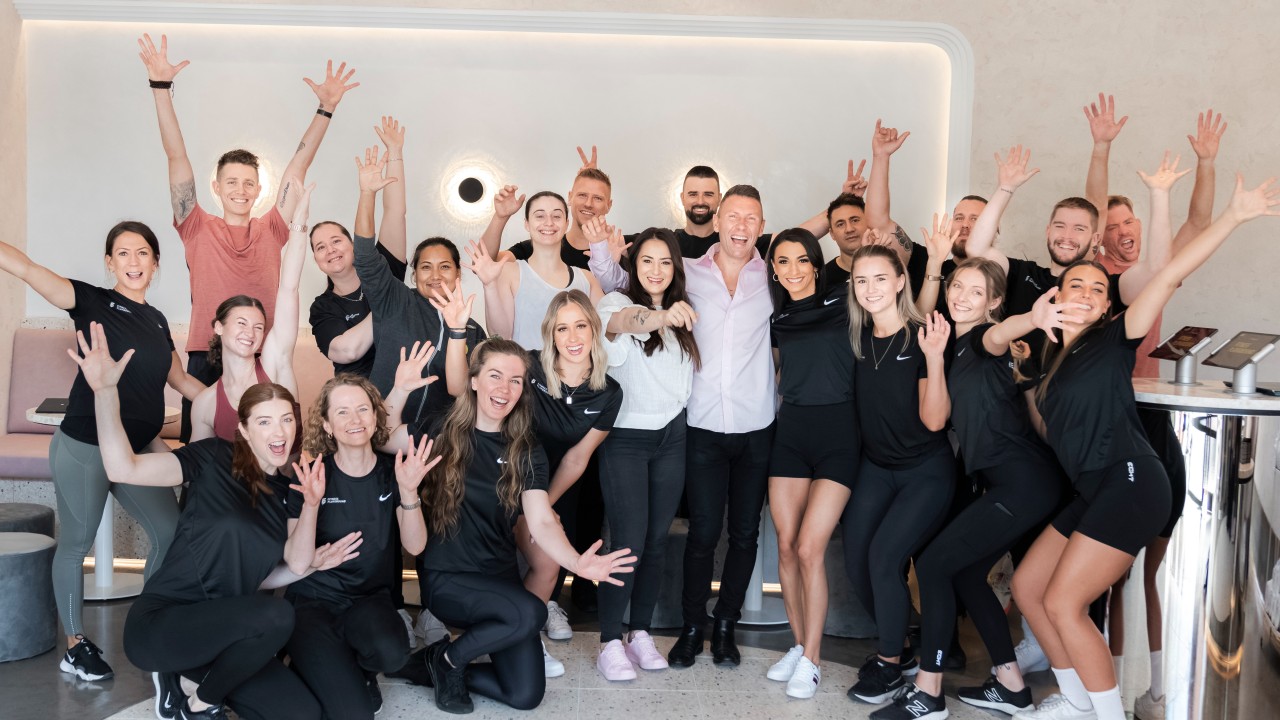
One of the most overlooked realities in hiring is that teams are not simply operational structures.
They are emotional ecosystems.
Every workplace carries its own energy, rhythm, communication style, behavioural standards, and emotional dynamics. Especially within fitness and wellness environments, where people work closely together for long hours in highly social, member-facing settings.
This is why some teams feel calm, connected and high performing… while others constantly feel tense, fragmented or exhausting to operate within.
And often, the difference is not skill set.
It is behaviour.
People Feel Culture Before They Understand It
Walk into any gym, studio or wellness business and you can usually sense the environment within minutes.
You can feel:
whether people genuinely enjoy being there whether leaders are respected whether communication feels healthy whether the energy is collaborative or political whether the team trusts each other whether members feel welcomed or transactional
Culture is not built through posters on walls or values written into onboarding documents.
It is built through repeated behaviours.
How people speak to each other. How pressure is handled. How conflict is managed. How accountability exists. How leaders regulate emotion. How teams respond during difficult periods.
These small behavioural patterns create the emotional environment people experience every day.
Every Hire Changes The Ecosystem
This is the part many businesses underestimate.
A new hire does not simply add skill capacity to a team.
They alter the emotional ecosystem.
Some people bring:
calmness reliability maturity emotional intelligence positivity accountability stability trust
Others unintentionally bring:
tension inconsistency defensiveness ego emotional volatility negativity friction drama
Even highly skilled individuals can destabilise a workplace if their behaviour creates emotional fatigue for the people around them.
And over time, emotional fatigue spreads.
You start seeing:
reduced morale communication breakdowns staff disengagement leadership exhaustion inconsistent member experiences higher turnover resentment within teams
Not because people suddenly lost capability.
Because the environment stopped feeling psychologically safe, stable or enjoyable to operate within.
The Fitness Industry Has Historically Hired Backwards
For years, hiring in fitness has focused heavily on:
qualifications aesthetics coaching skill sales ability online presence “passion for fitness”
But those things alone do not determine whether someone positively contributes to a team environment.
Some of the strongest long-term hires in fitness and wellness come from completely outside the industry.
Hospitality. Luxury service. Aviation. Events. Retail. Customer experience.
Why?
Because those industries often develop stronger behavioural awareness around:
communication professionalism emotional regulation adaptability teamwork service standards handling pressure
The ability to create a positive emotional environment is an actual skill.
And increasingly, it is one of the most valuable skills in modern workplaces.
High-Performing Teams Protect Energy
The strongest operators become highly intentional about protecting team energy.
Not in a soft or superficial way.
In a strategic way.
Because they understand that energy affects:
performance retention communication leadership effectiveness member experience consistency business growth
One emotionally disruptive person can consume an enormous amount of leadership time and team bandwidth.
Meanwhile, one emotionally intelligent person can elevate an entire department simply through the way they communicate, support others, and handle pressure.
These people become culture stabilisers.
The businesses that scale successfully are usually not the ones with the flashiest individuals.
They are the ones that build emotionally stable, behaviourally aligned teams over time.
Skill Builds Capability. Behaviour Builds Environment.
Technical skills absolutely matter.
But technical skills alone do not create strong cultures.
Behaviour does.
The best teams are rarely perfect. They simply have people who:
communicate well regulate emotion well collaborate well handle pressure well contribute positively to the environment around them
Because ultimately, people do not only stay in workplaces because of salary or opportunity.
They stay because of how an environment feels.
And that feeling is created by the people inside it.
www.fitnesslifestylinternational.com


